
Frequently Asked Questions
If you have any questions, please contact us or drop us a line!
What makes Wizzy™ different from other sweets?
Wizzy™ gets made with natural ingredients and are sweetened with raw unheated honey. We don’t use any artificial colourants, preservatives, or additives, which makes Wizzy™ a healthier choice for kids, especially those with neurodiversity like ADHD or autism.
Is Wizzy™ suitable for children with ADHD or autism?
Yes! Wizzy™ is designed with neurodiverse children in mind. By avoiding artificial additives, which can impact behaviour and well-being, we aim to provide tastes and treats that are both safe and delicious for all children, particularly those with ADHD or autism.
What ingredients are used in Wizzy™?
We use only the best natural ingredients, including honey for sweetness, and avoid any synthetic additives or colorants.
Is Wizzy™ gluten-free or dairy-free?
We offer a variety of options, and some of our treats are gluten-free and dairy-free. Be sure to check the product details or contact us for more information about specific dietary needs.
How should I store Wizzy™?
To maintain freshness, store your Wizzy™ in a cool, dry place, away from direct sunlight. Be sure to reseal any packages to preserve the quality and flavour of the sweets.
Where can I buy Wizzy™?
Wizzy™ is available for purchase on our website
Title or What is the big deal behind additives?
The Science Behind It All
Understanding the Impact of Artificial Additives on Children’s Behaviour
At Wizzy™, we believe sweetness should never come at the cost of a child’s wellbeing.
Our passion began as parents of children with neurodiversity — a term that describes the natural differences in how people’s brains function and learn, including conditions like autism, ADHD, and sensory or learning challenges.
Through experience and research, we have seen how artificial additives can influence mood, focus, and behaviour — particularly in sensitive children.
The Southampton Study (2007)
A major study by McCann et al., published in The Lancet, found that a mix of artificial food colourings and the preservative sodium benzoate increased hyperactive behaviour in children aged 3 and 8–9 years. Following these findings, several countries restricted or labelled foods containing these additives.
“Consumption of artificial food colourings and preservatives resulted in increased hyperactive behaviour in children.” — McCann et al., The Lancet, 2007
Why Wizzy™ Chooses Natural
Some children are more sensitive to artificial additives, especially those with neurodevelopmental or autoimmune conditions. These additives may overstimulate the nervous system and affect behaviour or focus.
That is why every Wizzy™ Bites are made with natural ingredients and raw, unheated honey — no artificial colourants, preservatives, or synthetic additives.
We believe clean ingredients help children feel calm, focused, and joyful — naturally.
Wizzy™ — where science meets nature, and sweetness meets care.
Are there any allergens in Wizzy™?
We take allergens seriously and clearly label all of our products with potential allergens. Please read the product description for specific ingredient details to ensure it’s suitable for your child. Also, be aware that Wizzy™ does not get produced in a nut free enviropnment.
What should I do if my child has a sensitivity to one of your ingredients?
If your child has a known sensitivity, please read the ingredient list carefully before purchasing. We always recommend consulting with a healthcare professional if you’re unsure about certain ingredients.
Can I return or exchange a product?
We want you to be completely satisfied with your purchase! If for any reason you’re not happy with your product, please contact us within 24 hours to discuss your concern. Terms and conditions apply.
Will Wizzy™ cure my child's neurodiversity.
No. Wizzy™ is not a medical treatment or cure. Wizzy™ is simply a healthy alternative to sweets. While you might notice a difference in your child's behaviour, it is not because Wizzy™ cured or caused it. The behaviour might change due to the fact that the additives from other snacks were removed from your child's diet.
What is the secret behind the great taste of Wizzy™?
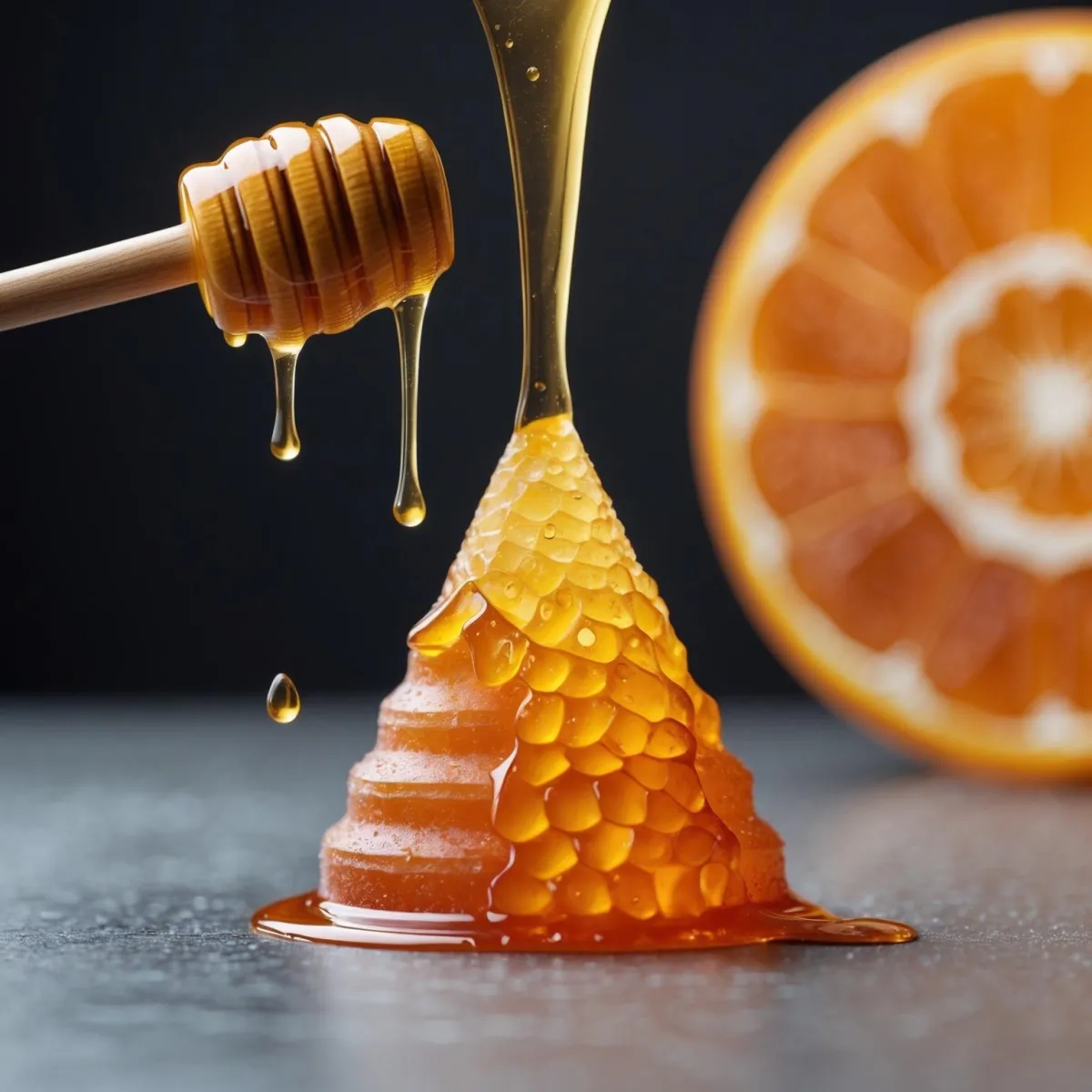
Our two hero ingredients, saffron and raw honey, are more than natural flavours. They’re evidence-based, bioactive ingredients chosen to nourish from within.
Title or What are the benefits of raw honey and saffron?
Saffron — The Golden Spice for Balance & Focus
Rich in natural compounds like crocin and safranal, saffron (Crocus sativus) supports mood, hormonal balance, and cognitive health.
Clinically shown to:
* Improve mood and reduce mild anxiety (Akhondzadeh et al., 2005)
* Ease PMS and hormonal fluctuations (BJOG, 2008)
* Support memory and protect brain cells (Akhondzadeh et al., 2010)
* Help reduce cravings and emotional eating (Gout et al., 2010)
* Saffron is a botanical that calms, uplifts, and protects
Raw Honey — Nature’s Intelligent Sweetness
Unlike refined sugar, raw honey is a living superfood containing enzymes, minerals, antioxidants, and natural prebiotics that promote total-body wellbeing.
Scientifically linked to:
* Improved antioxidant and anti-inflammatory balance (Al-Waili et al., 2013; Yaghoobi et al., 2008)
* Better glucose and cholesterol control (Bahrami et al., 2009)
* Cognitive and immune support (Othman et al., 2011; Tonks et al., 2003)
* Healthy gut microbiome and digestion (Olofsson et al., 2016)
What is Neurodiversity?
Neurodiversity is the concept that variations in brain function and cognitive processing—such as autism, ADHD, dyslexia, and other neurological differences—are natural forms of human diversity rather than deficits or disorders. It recognises that these differences contribute unique perspectives, skills, and problem-solving approaches to society, and should be respected and supported in the same way as other forms of diversity.
In essence, neurodiversity shifts the focus from “fixing” individuals to creating inclusive environments that value all ways of thinking and experiencing the world.
Reference:
Singer, J. (1998). Odd People In: The Birth of Community Amongst People on the “Autistic Spectrum.” Sydney: University of Technology, Sydney.
Neurodivergent (ND)
What is it?
Describe individuals diagnosed with conditions such as attention-deficit/hyperactivity disorder (ADHD), dyslexia, dyspraxia, or Tourette’s syndrome, autism spectrum disorder (ASD) and more.
These differences can affect thinking, learning, social interactions, emotional regulation, and sensory processing.
Viewed positively in neurodiversity frameworks as unique strengths (e.g., hyper-focus in ADHD or pattern recognition in autism), rather than just deficits.
Example traits: Intense interests, creative problem-solving, but potential challenges like executive dysfunction or sensory overload.
Wizzy™ trades as a product of Creatus Group Pty Ltd.
Facebook
Instagram
Youtube
TikTok